The next century of chemical manufacturing
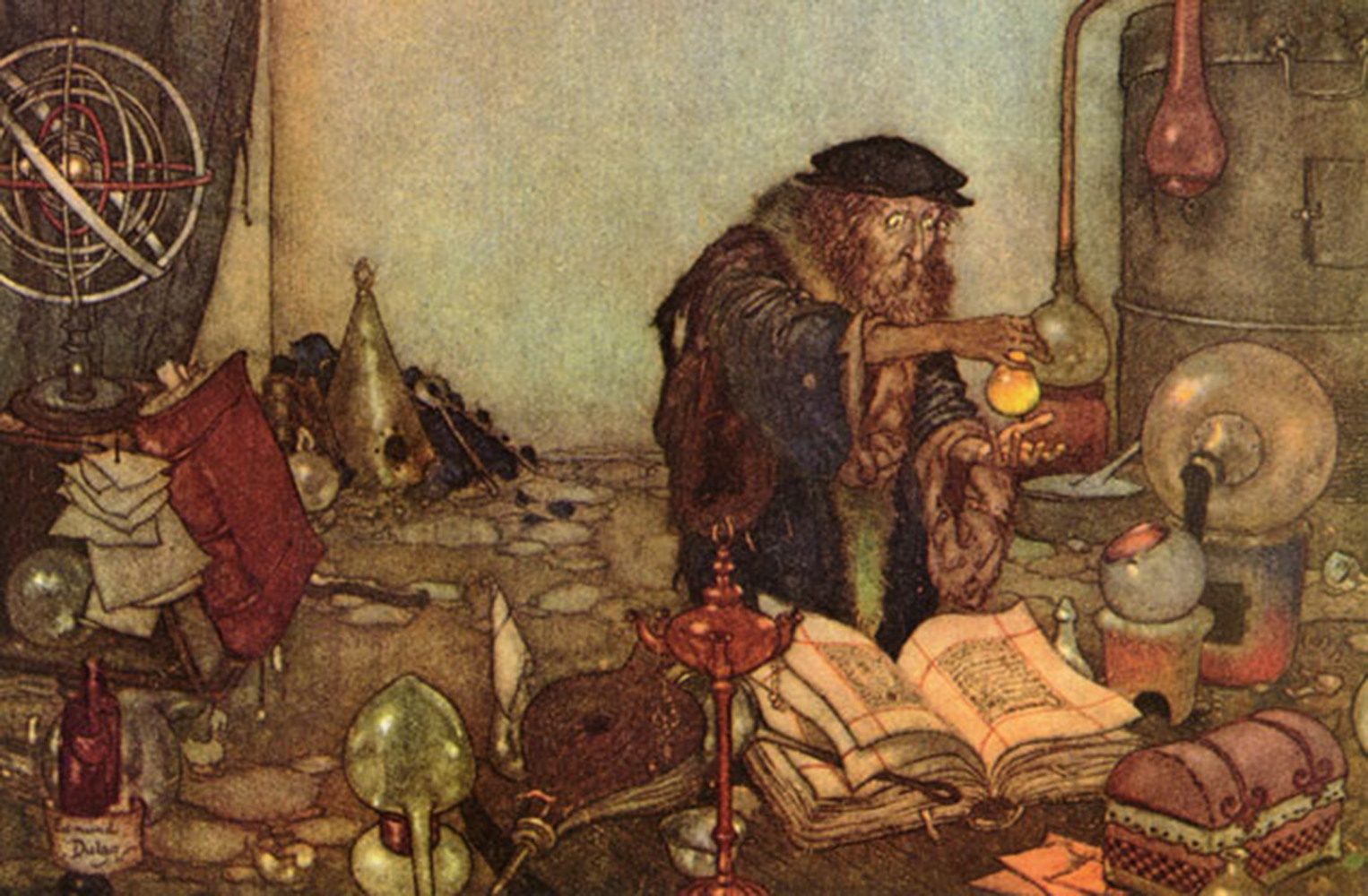
For centuries, Alchemist chased one dream. Turn lead into gold and become rich.
They didn’t succeed at that goal, but their thesis still underpins chemical manufacturing to this day. Take a cheap raw material and turn it into a valuable end product.
The cheapest raw material of the last century has been fossil fuels. Coal, and later natural gas, became the bedrock of modern chemistry, building fortunes for the countries that sat on top of them and turning those countries into pillars on the global stage.
It is an understatement to say fossil fuels are important to modern life. We should be genuinely grateful for the ability to refine crude oil into the molecules that touch every part of our world. From the obvious, like gasoline, to the obscure, like the polymers inside a pacemaker. The innovations of the fossil-fuel era deserve to be celebrated, and they have been, in the form of the extraordinary profits earned by the companies that mastered them.
The Electron Inflection Point
But we are now at a turning point. The cheapest raw material on Earth is no longer a hydrocarbon, it is the electron. And unlike oil and gas, electrons are available far and wide, across nearly every corner of our planet.
Renewable electrons have already fought and won their first war: a seventy-year battle to become the cheapest form of energy production. Solar costs alone have fallen by roughly 90% in the past decade. What they have not yet done is enter the chemical industry as the cheapest raw material.
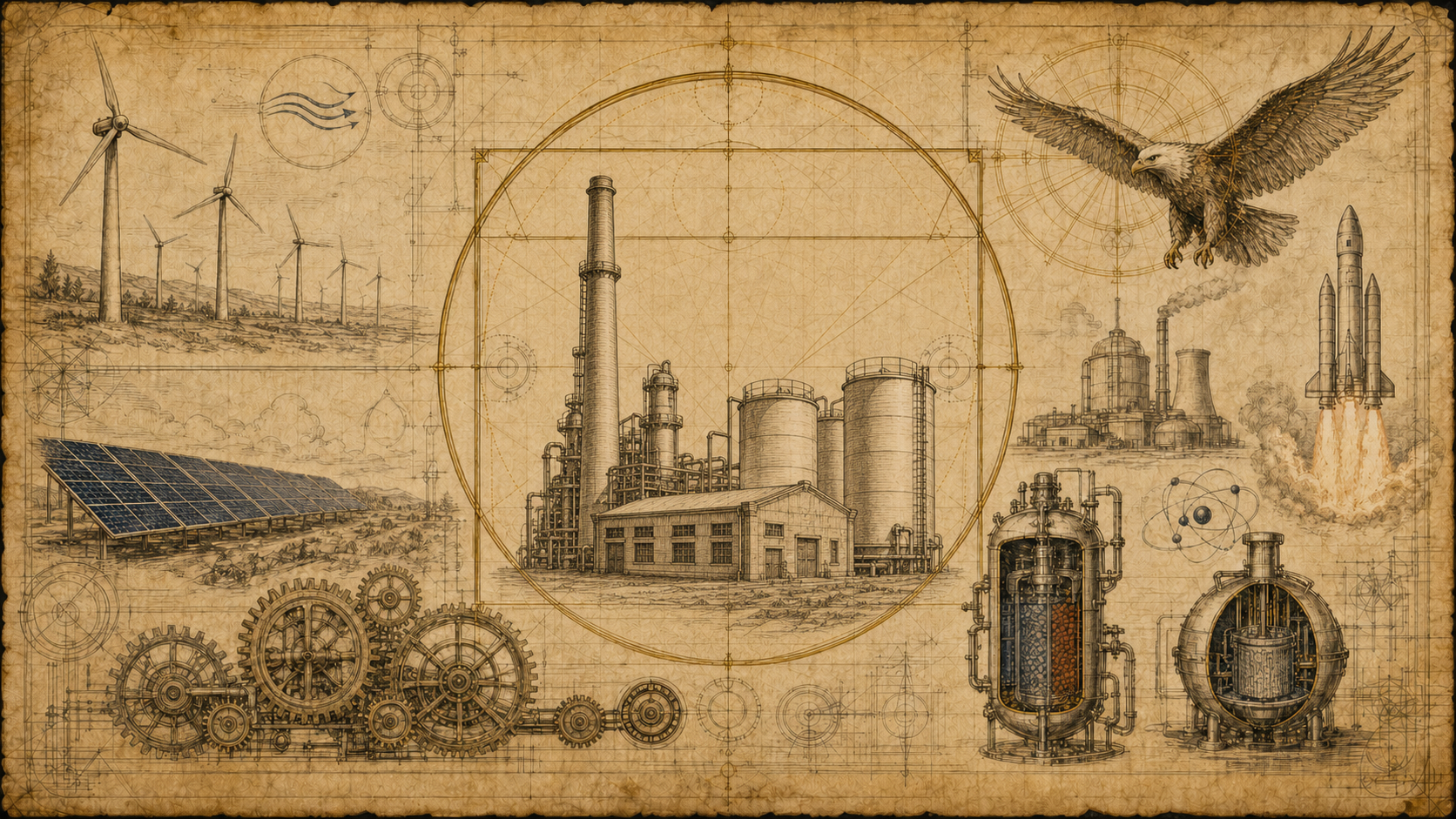
That second war is just beginning, and its consequences are monumental:
Countries that never had a chemical industry suddenly have the raw material to build one.
Distributed production becomes possible; manufacturing is no longer pinned to fossil-fuel basins.
Nations become resilient against global supply-chain shocks.
Chemical engineering becomes a more widespread and in-demand discipline, as states like Iowa stand up their own chemical manufacturing facilities.
The atmosphere gets a reprieve, as CO₂-intensive feedstocks give way to electron-driven ones.
The first electron-driven chemical plant that is economical on a global stage will not stand alone. Chemical plants are pinned to wherever raw materials are cheapest, and over time they cluster, one plant attracting the next, building dense industrial corridors. That is the only way the economics work at scale. It will seed a cluster of downstream plants around it, and it will become the blueprint that the rest of the world copies.
Ammonia: The Keystone Molecule
Consider ammonia, it is a ~$100B global market on its own, but roughly 75% of the ammonia produced is almost immediately converted into urea at an adjacent plant. Urea is another ~$100B market. Urea can be converted into urea nitrate. Ammonia can be converted into nitric acid. Nitric acid can be converted into ammonium nitrate. The cascade goes on and on. The production of ammonia enables multiple hundred billion dollar chemicals to be made.
Ammonia is the building block of a new chemical revolution for any region willing to invest in its production. Regions that are rich in electrons but poor in fossil fuels, for the first time in modern history, have a real chance to reimagine their entire economies around it.
This is exactly what excites me about ammonia production, and what drives my company, Andros Innovations. Of course there are some challenges to making this a reality: intermittent power, capital intensity, and reactors that must perform under dynamic loads. These are real engineering challenges but they are solvable, unlike the work of alchemy.
What Comes Next
Ammonia is the first domino in a revolution of new chemical production. Sulfuric acid, methanol, and the other building-block chemicals are squarely in the line of sight, each newly accessible through electron-driven processes.
The next century of chemical manufacturing will be dominated by those regions, and companies that can turn cheap electrons into valuable chemical products.
In an ode to “The Alchemy of Air” the future is “ The Alchemy of the Electron”.
